 Nancy Hub
In the early 2000s, AS Nancy, having experienced ups and downs, found itself at a decisive crossroads. After a challenging period, the club managed to rise again through a renewed vision and the integration of young talents. One of the key moments in this transformation was the rise of coach Pablo Correa, who took charge of the team in 2003, but the foundations for this success were laid in 2001.
The year 2001 saw the emergence of promising players like David Hellebuyck and Lamine Diakité, who quickly captivated fans with their raw talent and determination on the pitch. Their contributions were essential in revitalizing a team that needed freshness and energy. Nancy supporters began to believe in the club’s future again as the team displayed a more dynamic and offensive style of play.
The change in philosophy was also reinforced by the management's desire to build a competitive team capable of competing with formidable opponents in the league. This approach allowed Nancy to forge a unique identity, blending the talent of young players with the experience of a few veterans. The city of Nancy pulsed with the rhythm of matches, with passionate supporters who regained hope and enthusiasm.
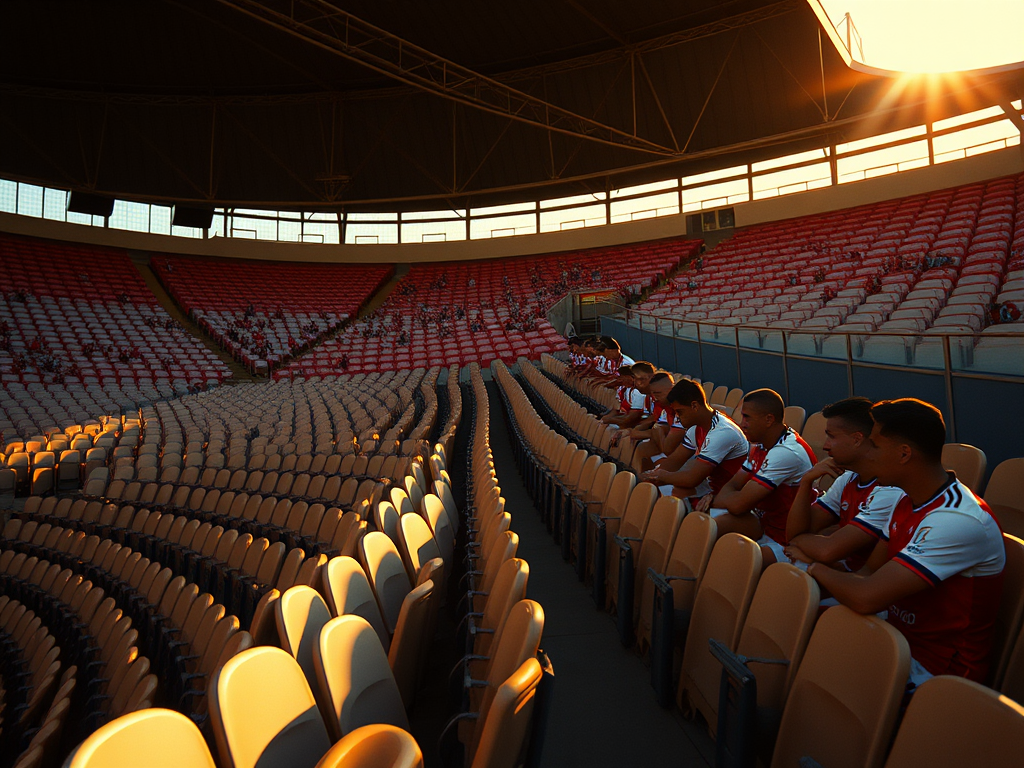
Results on the pitch began to follow, even though the ascent to Ligue 1 was not immediate. AS Nancy started to show signs of progress in Ligue 2, achieving memorable victories that galvanized the fanbase. Home matches at Stade Marcel Picot became unmissable events, where every victory was celebrated as a step closer to renewal.
In retrospect, the year 2001 was a pivotal moment that allowed AS Nancy to reinvent itself and lay the groundwork for a bright future. The strategic choices made during this time were crucial for the club's development, enabling Nancy to rise from its ashes and aspire to greater heights in French football. Today, as the club navigates the challenges of Ligue 2, it is essential to remember this era of renewal, which was a precursor to many successes to come.